


Meet Durk – Weekly Inspiring Image
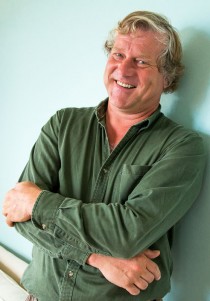
Sunkissed, dusty, and with a beaming smile, Durk Meijer is an endless stream of anecdotes about his travels throughout Southern Africa assisting minority language communities to get God’s word in their language. Durk works for a joint initiative known as
Meet Durk – Weekly Inspiring Image
Sunkissed, dusty, and with a beaming smile, Durk Meijer is an endless stream of anecdotes about his travels throughout Southern Africa assisting minority language communities to get God’s word in their language. Durk works for a joint initiative known as
News travels fast in an oral culture
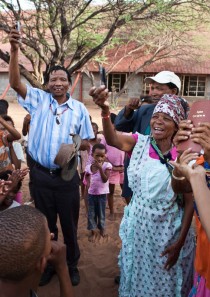
Bible storying taps into the lifeblood of an oral culture, and the stories travel surprisingly fast.
News travels fast in an oral culture
Bible storying taps into the lifeblood of an oral culture, and the stories travel surprisingly fast.
Stories and Brotherhood: Bible Translation in Southern Africa
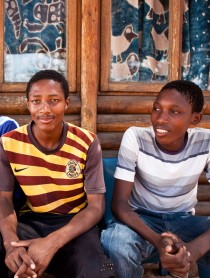
Today, God is writing a new chapter for Southern Africa. Bible translation organizations across the region are working toward a common goal: helping local communities translate God’s Word into their own languages.
Stories and Brotherhood: Bible Translation in Southern Africa
Today, God is writing a new chapter for Southern Africa. Bible translation organizations across the region are working toward a common goal: helping local communities translate God’s Word into their own languages.
Hani – Weekly Inspiring Image
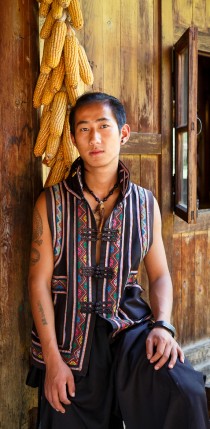
You’d be forgiven for thinking that this image, embellished with an embroidered vest and drying corn, depicts a scene in South America. In fact, this man belongs to the Hani people who live in southern China near the border with
Hani – Weekly Inspiring Image
You’d be forgiven for thinking that this image, embellished with an embroidered vest and drying corn, depicts a scene in South America. In fact, this man belongs to the Hani people who live in southern China near the border with
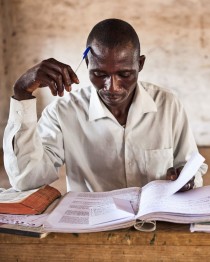
Real Life – Weekly Inspiring Image
What strikes you first about this image of a Bible school student in Central African Republic? The blue pen resting on his head while deep in concentration? The bare rustic classroom? The Bibles he is referencing: one dirty and used,
Real Life – Weekly Inspiring Image
What strikes you first about this image of a Bible school student in Central African Republic? The blue pen resting on his head while deep in concentration? The bare rustic classroom? The Bibles he is referencing: one dirty and used,
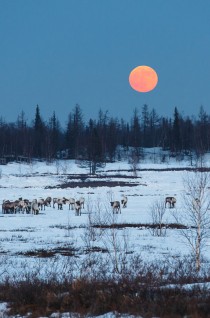
Arctic Moonrise – Weekly Inspiring Image
Late on a spring night in the Arctic Circle the lingering twilight illuminates a herd of reindeer while a massive orange moon rises outside the city of Salekhard in northwestern Siberia, Russia. This far north two seasons predominate, one with
Arctic Moonrise – Weekly Inspiring Image
Late on a spring night in the Arctic Circle the lingering twilight illuminates a herd of reindeer while a massive orange moon rises outside the city of Salekhard in northwestern Siberia, Russia. This far north two seasons predominate, one with
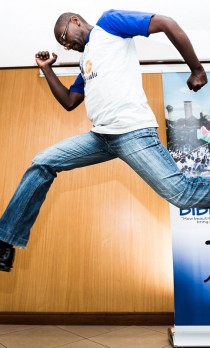
The Nairobi Standstill – Weekly Inspiring Image
Paul Machira models his running style in the lead up to the 8th annual Run for the Bibleless, a fun run in Kenya’s capital city, Nairobi. The run was held in March 2015 to raise funds for, and awareness of, communities
The Nairobi Standstill – Weekly Inspiring Image
Paul Machira models his running style in the lead up to the 8th annual Run for the Bibleless, a fun run in Kenya’s capital city, Nairobi. The run was held in March 2015 to raise funds for, and awareness of, communities
Publications roundup
Recently my amazing sending church – Newtown Mission – featured and prayed for me as their missionary of the month. I went around the web collecting a bit of my work that was currently available to show them what I’ve been
Publications roundup
Recently my amazing sending church – Newtown Mission – featured and prayed for me as their missionary of the month. I went around the web collecting a bit of my work that was currently available to show them what I’ve been
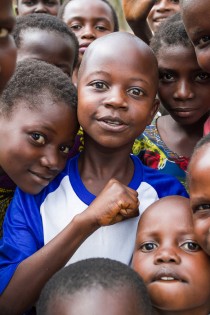
A New Testament in Mono – Weekly Inspiring Image
Children from the remote city of Bili in northwestern Democratic Republic of Congo crowd in for a photo. This city lies in the midst of the rich Congolese rainforest and only about 50 km south of the border with Central
A New Testament in Mono – Weekly Inspiring Image
Children from the remote city of Bili in northwestern Democratic Republic of Congo crowd in for a photo. This city lies in the midst of the rich Congolese rainforest and only about 50 km south of the border with Central
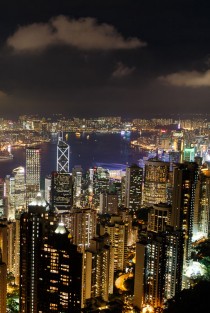
Fragrant Harbour – Weekly Inspiring Image
Hundreds of buildings cast an array of colour on Victoria Harbour in Hong Kong. In English Hong Kong means Fragrant Harbor. Viewed from this vantage point it is clear that Hong Kong’s 7 million people live in Earth’s most densely populated city.
Fragrant Harbour – Weekly Inspiring Image
Hundreds of buildings cast an array of colour on Victoria Harbour in Hong Kong. In English Hong Kong means Fragrant Harbor. Viewed from this vantage point it is clear that Hong Kong’s 7 million people live in Earth’s most densely populated city.
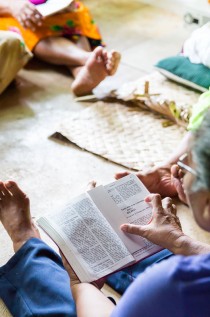
Inheritance – Weekly Inspiring Image
Betty Amon reads from the Nuku oro New Testament as other members of the Nukuoro translation team meet to pray. Women in Betty’s family have been longing for, and working on, a full Nukuoro Bible for generations. Betty inherited the
Inheritance – Weekly Inspiring Image
Betty Amon reads from the Nuku oro New Testament as other members of the Nukuoro translation team meet to pray. Women in Betty’s family have been longing for, and working on, a full Nukuoro Bible for generations. Betty inherited the
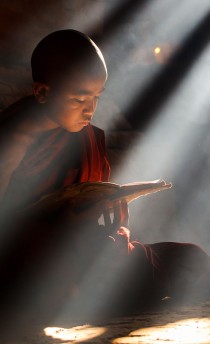
In Search of Truth – Weekly Inspiring Image
A young Buddhist monk reads in an ancient Myanmar pagoda. Moments like this are among the things I enjoy most as a photographer. It’s such an honor to observe someone’s life. But I had difficulty photographing this boy. I found
In Search of Truth – Weekly Inspiring Image
A young Buddhist monk reads in an ancient Myanmar pagoda. Moments like this are among the things I enjoy most as a photographer. It’s such an honor to observe someone’s life. But I had difficulty photographing this boy. I found

The Far Corners – Weekly Inspiring Image
A woman carries supplies out of her choom (teepee-like home) as her nomadic group in northwestern Siberia packs up their sleds to move farther north for the summer. Even in the farthest corners of the world God’s Word is being
The Far Corners – Weekly Inspiring Image
A woman carries supplies out of her choom (teepee-like home) as her nomadic group in northwestern Siberia packs up their sleds to move farther north for the summer. Even in the farthest corners of the world God’s Word is being
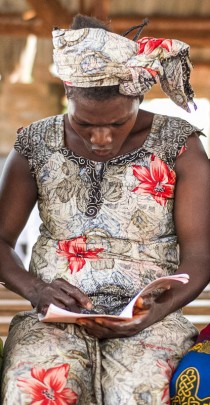
The Privilege of Reading – Weekly Inspiring Image
In March of 2012 I visited a Ngbakan literacy class in Gemena, a city in northwestern Democratic Republic of Congo (DRC). Most of the students were adult women. The class instructors told me that since education is not free, families
The Privilege of Reading – Weekly Inspiring Image
In March of 2012 I visited a Ngbakan literacy class in Gemena, a city in northwestern Democratic Republic of Congo (DRC). Most of the students were adult women. The class instructors told me that since education is not free, families

Ancient Myanmar – Weekly Inspiring Image
Buddhist pagodas rise above the morning mist in the ancient ruined city of Bagan, Myanmar. Previously known as Burma, Myanmar is now starting to share its rich history with the world after decades of limiting travelers. One of Asia’s poorest
Ancient Myanmar – Weekly Inspiring Image
Buddhist pagodas rise above the morning mist in the ancient ruined city of Bagan, Myanmar. Previously known as Burma, Myanmar is now starting to share its rich history with the world after decades of limiting travelers. One of Asia’s poorest

Beautiful – Weekly Inspiring Image
A girl from the Yi people group in China shows a hand gesture meaning beautiful. China has more than 300 language groups according to the most recent language survey data. Minority language groups in China, like the Yi, account for
Beautiful – Weekly Inspiring Image
A girl from the Yi people group in China shows a hand gesture meaning beautiful. China has more than 300 language groups according to the most recent language survey data. Minority language groups in China, like the Yi, account for
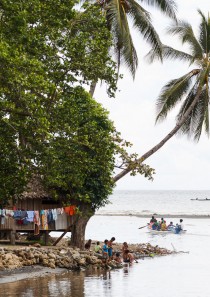
Staying Connected – Weekly Inspiring Image
Children play while fisherman head out to sea along the coastal waters of Honiara, Solomon Islands. Many of the Solomon Islands’ half a million residents live in small seaside communities like this. Of the 71 spoken languages here, more than
Staying Connected – Weekly Inspiring Image
Children play while fisherman head out to sea along the coastal waters of Honiara, Solomon Islands. Many of the Solomon Islands’ half a million residents live in small seaside communities like this. Of the 71 spoken languages here, more than
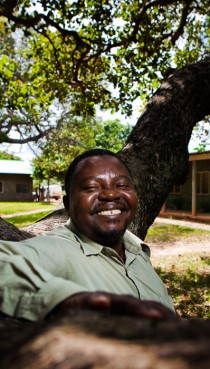
God’s Leading – Weekly Inspiring Image
Bonifacio Paulo’s salvation was a long process. His faith journey led him first to a Catholic and then a Nazarene seminary. “Honestly, I don’t remember a day that I can point to and say, ‘This is the day I gave
God’s Leading – Weekly Inspiring Image
Bonifacio Paulo’s salvation was a long process. His faith journey led him first to a Catholic and then a Nazarene seminary. “Honestly, I don’t remember a day that I can point to and say, ‘This is the day I gave

Serendipity – Weekly Inspiring Image
Children play at sundown on a seldom used airstrip in Sen Momorom, a picturesque mountain town in eastern Cambodia. Ari, the photographer, says that this image is very special to him because of the way the local kids were arranged
Serendipity – Weekly Inspiring Image
Children play at sundown on a seldom used airstrip in Sen Momorom, a picturesque mountain town in eastern Cambodia. Ari, the photographer, says that this image is very special to him because of the way the local kids were arranged
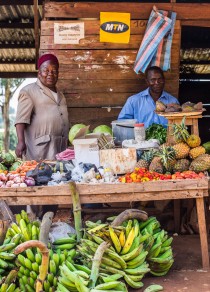
Colours of Cameroon – Weekly Inspiring Image
A bounty of beautiful fruits and vegetables is for sale at a roadside vendor’s stall in Bamenda, Cameroon. Despite its French and English influences Cameroon has nearly 300 living languages. Bible translation began in Cameroon during the mid 1800s when
Colours of Cameroon – Weekly Inspiring Image
A bounty of beautiful fruits and vegetables is for sale at a roadside vendor’s stall in Bamenda, Cameroon. Despite its French and English influences Cameroon has nearly 300 living languages. Bible translation began in Cameroon during the mid 1800s when

Lasting Change – Weekly Inspiring Image
Bright eyes, a warm smile, and inviting laughter: this Senegalese man can’t contain his joy. A powerful change recently came to his community in Senegal – fathers began allowing, and encouraging, their daughters to attend school for the first time.
Lasting Change – Weekly Inspiring Image
Bright eyes, a warm smile, and inviting laughter: this Senegalese man can’t contain his joy. A powerful change recently came to his community in Senegal – fathers began allowing, and encouraging, their daughters to attend school for the first time.
Working Remotely: African Nights
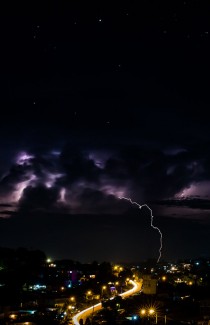
It seems to me that during summer in Yaoundé, Cameroon there is a thunderstorm every night. Since I grew up in the arid southwest of the USA, where such storms are rare, I enjoy experiencing these violent storms over the
Working Remotely: African Nights
It seems to me that during summer in Yaoundé, Cameroon there is a thunderstorm every night. Since I grew up in the arid southwest of the USA, where such storms are rare, I enjoy experiencing these violent storms over the
Working Remotely: Navigating the Canal – Weekly Inspiring Image
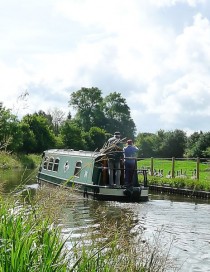
One of my favourite views in my hometown of Macclesfield, UK is this local canal on a bright summer’s day. Almost 200 years ago thousands of labourers toiled to flatten land, build banks and bridges, locks and aqueducts, to make
Working Remotely: Navigating the Canal – Weekly Inspiring Image
One of my favourite views in my hometown of Macclesfield, UK is this local canal on a bright summer’s day. Almost 200 years ago thousands of labourers toiled to flatten land, build banks and bridges, locks and aqueducts, to make
Beautiful Signs – Weekly Inspiring Image
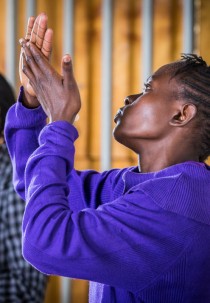
In September 2014 I spent several days with the Deaf community who work at the DOOR centre in Nairobi, Kenya. On one of the Sundays I was there, I visited a Deaf church. Mercy Mideva and another woman led worship
Beautiful Signs – Weekly Inspiring Image
In September 2014 I spent several days with the Deaf community who work at the DOOR centre in Nairobi, Kenya. On one of the Sundays I was there, I visited a Deaf church. Mercy Mideva and another woman led worship